Unlocking the Mystery of the Psoas: The Hidden Muscle Behind Back Pain
If you’ve ever struggled with stubborn lower back pain that just won’t go away, your psoas muscle could be the hidden cause. This deep core muscle, part of a group known as the iliopsoas, plays a major role in how we sit, stand, and move—and when it becomes tight or overworked, it can lead to discomfort that radiates through your lower back, hips, and even your legs.
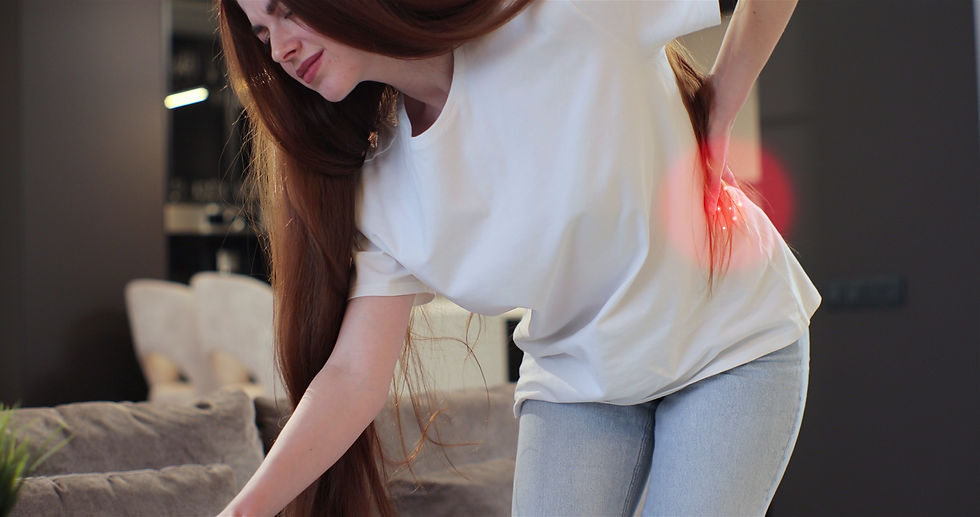
At Kneaded Tranquility, we often see clients dealing with back pain that’s actually rooted in tight hip flexors, especially the psoas. Once this area is addressed through focused massage therapy, relief and better posture often follow quickly.
What Is the Psoas (and Iliopsoas)?
The iliopsoas is made up of two main muscles:
Psoas major: Runs from the lower spine to the top of the thigh bone (femur).
Iliacus: Originates inside the pelvis and joins the psoas before attaching to the femur.
Together, they are your primary hip flexors—responsible for lifting your legs, walking, and stabilizing your spine. Because the psoas connects your spine to your legs, it has a tremendous influence on posture and back health.
How a Tight Psoas Leads to Back Pain
When we sit for long hours—whether working at a desk or driving—the hips stay flexed, causing the psoas to shorten and tighten over time. This can:
Pull the lower spine forward, increasing pressure on the lumbar area.
Tilt the pelvis forward, creating an exaggerated curve in the lower back.
Disrupt muscle balance, weakening the glutes and hamstrings.
The result? Chronic lower back pain, hip tightness, and fatigue that stretching alone rarely fixes.
The Emotional Side of the Psoas
Sometimes called the “muscle of the soul,” the psoas is closely connected to our stress response. When we’re anxious or under pressure, our body naturally tightens this muscle as part of the fight-or-flight reaction. Over time, emotional tension can become physical tension—literally stored deep within the hips.
How Massage Therapy Helps
Massage therapy is one of the most effective ways to release tension in and around the psoas and iliopsoas. At Kneaded Tranquility, our therapists specialize in working with the core and hip muscles that contribute to back pain.
Through techniques like myofascial release, deep tissue therapy, and neuromuscular work, we can:
Ease deep tension in the hips and lower back
Restore balance between the front and back of the body
Improve flexibility and posture
Relieve back pain caused by muscular imbalance
Tips for a Healthy Psoas
Take breaks from sitting: Stand up, stretch, or walk every hour.
Stretch your hip flexors: Gentle lunges and supported bridges can help.
Practice deep breathing: Diaphragmatic breathing can help relax the psoas naturally.
Schedule regular massage sessions: Consistent bodywork keeps the psoas balanced and prevents pain from returning.
Your back pain may not start in your spine—it may start deep in your hips. By giving attention to your psoas, you’re giving your body the support it needs to move freely and feel at ease.
At Kneaded Tranquility, our goal is simple: help you let go of everything that’s holding you back—starting with tension that hides beneath the surface.


Comments